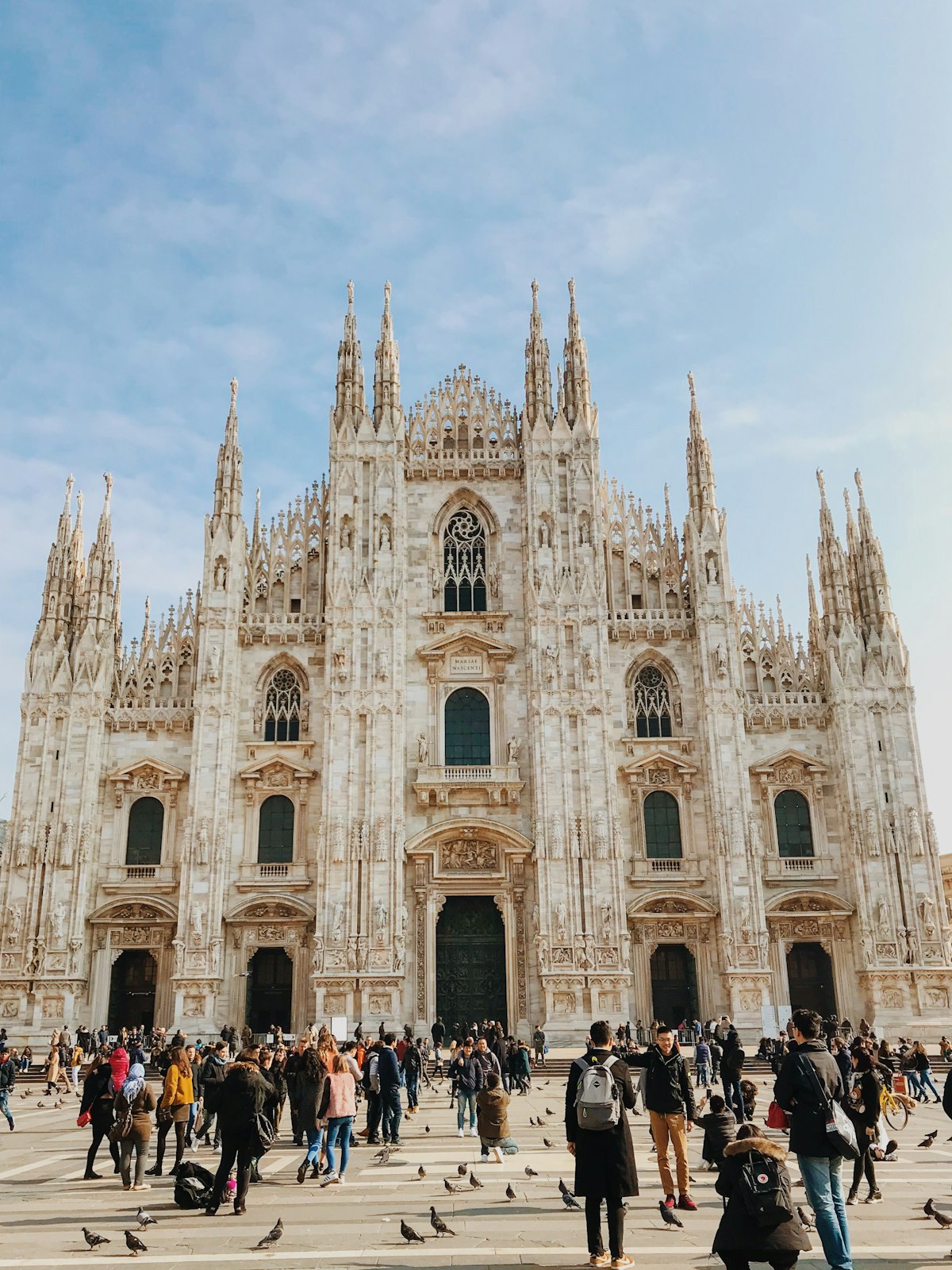
Driving in France: A Complete Car Rental Guide
Driving in France: A Complete Car Rental Guide
France is the most visited country in the world, and for good reason. But while Paris draws the headlines, the real France — the lavender fields of Provence, the châteaux of the Loire, the dramatic coastline of Normandy, the vineyards of Bordeaux — is best discovered by car. France's road network is one of the best in Europe, and driving here is a genuine pleasure once you understand the rules.
French Driving Rules You Need to Know
Speed Limits
| Road Type | Dry Weather | Wet Weather |
|---|---|---|
| Motorway (Autoroute) | 130 km/h | 110 km/h |
| Dual carriageway | 110 km/h | 100 km/h |
| Rural road | 80 km/h | 80 km/h |
| Urban area | 50 km/h | 50 km/h |
Important: Speed limits automatically reduce in wet weather. You do not need to see a sign — it is the law.
Priorité à Droite
France's most confusing rule. At unmarked junctions, vehicles entering from the right have priority — even if you are on what looks like the main road. Watch for the yellow diamond sign (you have priority) or the triangle with a red border (give way).
Mandatory Equipment
French law requires every vehicle to carry:
- Reflective vest (gilet jaune) — Must be accessible from inside the car (not in the boot)
- Warning triangle
- Headlight beam deflectors — Required if driving a right-hand-drive car on French roads
- Breathalyser — Technically required but the fine for not carrying one was suspended
Most rental cars should have these items. Verify at pickup.
Alcohol Limit
- 0.05% BAC (0.02% for drivers with less than 3 years' experience)
- Penalties are severe: licence suspension, fines up to EUR 4,500, and imprisonment for extreme cases
Toll Autoroutes
France has an extensive toll motorway network operated by private companies (Vinci, APRR, Sanef). The tolls are not cheap but the roads are excellent — smooth, well-maintained, with regular rest areas and fuel stations.
How Tolls Work
- Take a ticket at the entry toll booth
- Pay at the exit based on distance travelled
- Payment methods: Cash, credit/debit card, or Liber-t transponder
Typical Toll Costs
| Route | Distance | Toll Cost |
|---|---|---|
| Paris → Lyon | 465 km | EUR 35 |
| Paris → Nice | 930 km | EUR 80 |
| Paris → Bordeaux | 585 km | EUR 48 |
| Lyon → Marseille | 315 km | EUR 22 |
| Paris → Strasbourg | 490 km | EUR 38 |
| Bordeaux → Toulouse | 245 km | EUR 18 |
Avoiding Tolls
Free alternatives (routes nationales, labelled N or D) run parallel to most toll motorways. They pass through towns and villages, are slower (add 40-60% more time), but are more scenic. For road trips where the journey is the destination, the free roads are often the better choice.
ZFE Low Emission Zones
France has introduced Zones à Faibles Émissions (ZFE) in major cities. To drive in these areas, vehicles need a Crit'Air vignette (emission sticker):
- Cities with active ZFE: Paris, Lyon, Marseille, Toulouse, Strasbourg, Rouen, Nice, Montpellier, and others
- Cost: EUR 3.72 (order online at certificat-air.gouv.fr)
- Rental cars: Most modern rental cars qualify for Crit'Air 1 or 2, which are permitted in all ZFE zones
- Fine for non-compliance: EUR 68
Tip: Ask your rental company if the car has a Crit'Air sticker. Most do, but verify.
Parking in French Cities
Paris
Driving and parking in Paris is best avoided. The Périphérique (ring road) is congested, streets are narrow, and parking is expensive (EUR 2-6/hour, EUR 30-50/day in car parks). Use the Paris Metro and pick up your rental car when leaving the city.
Other French Cities
- Blue zones — Free parking with a time limit (display a parking disc)
- Paid street parking — EUR 1-3/hour, usually free 7 PM-9 AM and Sundays
- Underground car parks — EUR 10-25/day in city centres
- Supermarket car parks — Free for customers, time-limited
French Parking Quirks
- Alternate-side parking (stationnement alterné) — In some towns, you park on different sides of the street on different days
- Parking in the wrong direction — You must park facing the direction of traffic flow. Parking facing oncoming traffic is an offence
Scenic Routes Worth Driving
Provence Lavender Route (June-August)
Drive through the lavender fields of Valensole plateau, visit the Gorges du Verdon (Europe's Grand Canyon), and end in the hilltop villages of the Luberon.
Loire Valley Châteaux
A gentle drive through the Garden of France, visiting Chambord, Chenonceau, Amboise, and Villandry. Flat terrain, easy driving, world-class wine.
Normandy Coast
D-Day beaches, Mont Saint-Michel, the Alabaster Coast cliffs, and Honfleur — one of France's most photogenic harbours.
Route Napoleon
From the French Riviera to Grenoble, following the path Napoleon took on his return from exile in Elba. Mountain passes, alpine scenery, and historical significance.
Alsace Wine Route
170 km through picture-perfect villages (Colmar, Riquewihr, Eguisheim), half-timbered houses, and world-class Riesling vineyards.
Fuel Costs
- Diesel (Gazole): EUR 1.55-1.75/litre
- Petrol (Sans Plomb 95): EUR 1.75-1.95/litre
- Supermarket stations (Carrefour, Leclerc, Auchan) are consistently EUR 0.05-0.10/litre cheaper than motorway stations
Essential French Driving Tips
- Carry your licence and rental documents at all times — police can request them at roadside checks
- Motorway rest areas are excellent — clean facilities, decent food, and free picnic areas. Stop every 2 hours as recommended by French road safety campaigns
- Sunday driving is the best driving. Roads are quieter, many truck restrictions apply, and many autoroutes drop tolls on Sunday mornings
- Roundabouts — Give way to traffic already on the roundabout (except the Arc de Triomphe, where entering traffic has priority — but you should not be driving there anyway)
- Flash of headlights from oncoming traffic often means there is a speed camera or police check ahead
Ready to Explore France?
Compare rental cars across France on World Auto Hire. We show prices from all major airports, city locations, and train stations, with transparent pricing that includes all taxes and fees.